Germany relocation guide · 3 April 2026
Build a first-week document folder you can use under pressure
Organize confirmations, originals and contact details by appointment so you are not searching through luggage at a German service counter.
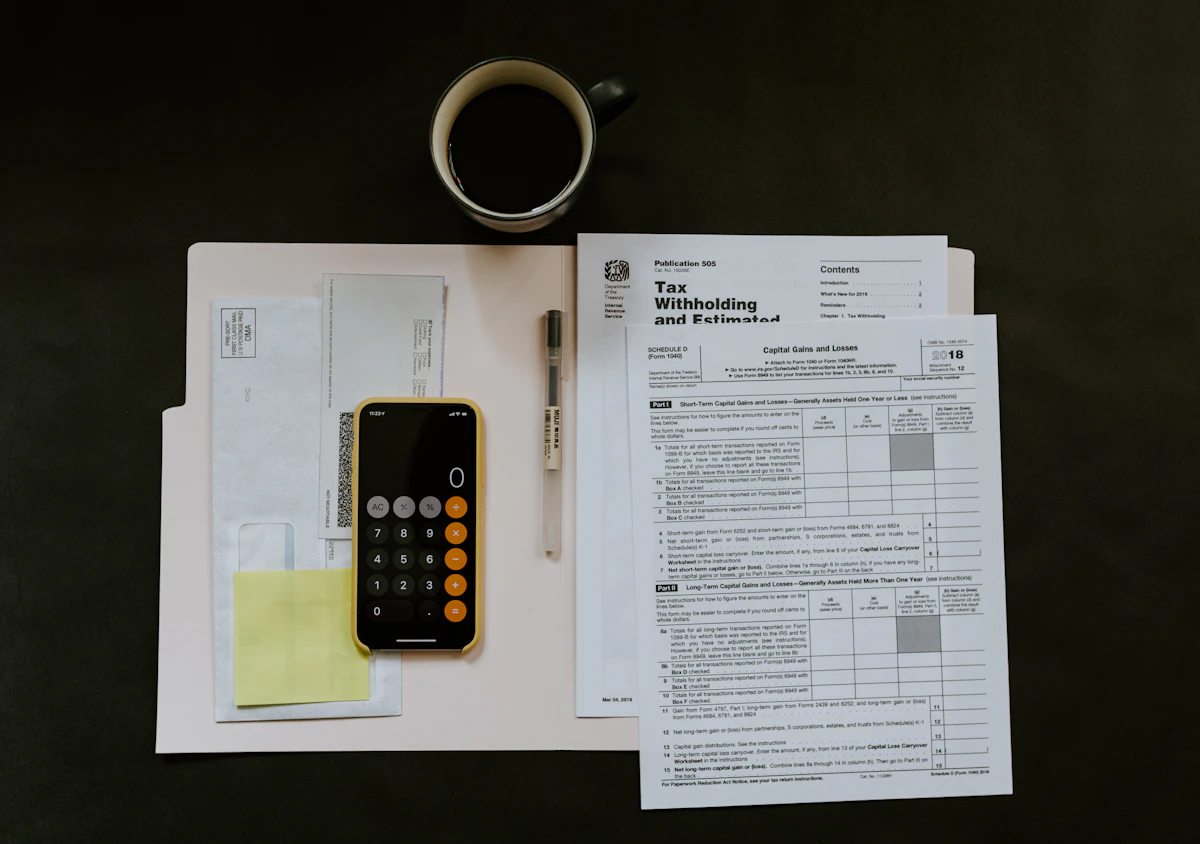
A relocation file should be designed for retrieval, not for collecting every document you own. Start with the appointments and actions likely in the first two weeks, then place evidence behind each one.
Create appointment groups
Use sections for accommodation and landlord confirmation, municipal registration, employment or university, health insurance, banking and residence matters if applicable. Add appointment confirmations, addresses, opening hours and reference numbers at the front.
Carry originals only when required and keep them under your control. Prepare copies where official instructions request them. A digital backup can help after loss, but protect it with encryption and strong account security; an ordinary email inbox should not become an identity archive.
Check names and dates
Compare spelling, order of names, birth dates and document expiry dates across records. If a marriage, degree or birth certificate needs certification or translation, arrange it with an appropriate professional rather than relying on your own translation.
After each appointment, note what was accepted, what remains outstanding and any deadline. Scan new receipts or letters into the right section. This modest habit prevents one unresolved request from disappearing into a pile of arrival paperwork.
Apply this to your own move
A consultation turns general guidance into a dated checklist for your circumstances.